Kitchen Experiment No. 2 · September 18, 2026
The Great Pumpkin Attempt
Or: How a promising gelato became decorative building material
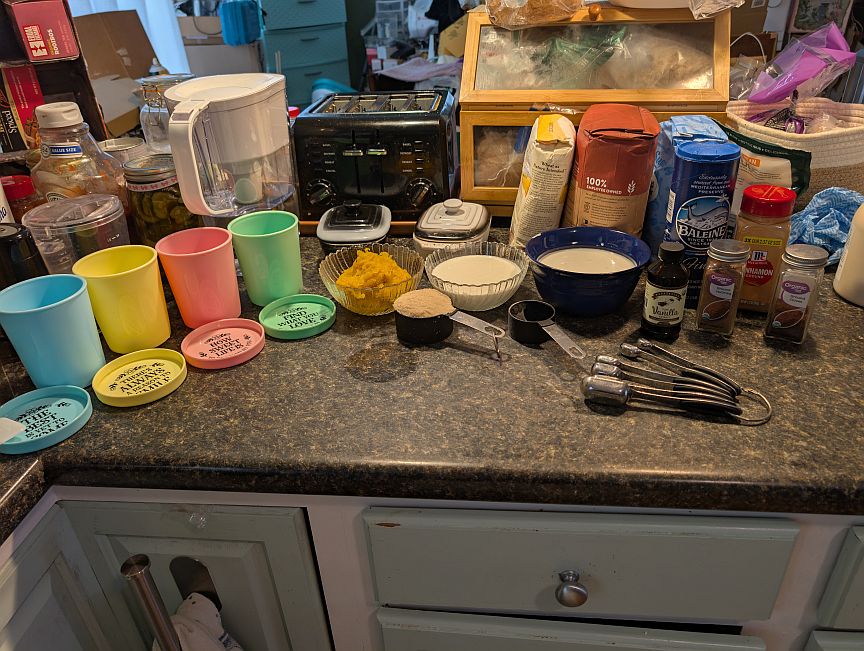
The Brilliant Idea
After the success of the Nutella Banana Gelato, I made the natural and entirely reasonable assumption that I now knew what I was doing. This is how kitchen disasters begin: not with ignorance, but with one previous success and an unsupervised imagination.
The plan was glorious. Pumpkin gelato, warmly spiced, layered into individual cups with ribbons and pockets of pure maple syrup. Freshly crushed gingersnaps would go over the top at serving time so they stayed crunchy. It sounded like autumn had put on a cardigan and volunteered to become dessert.
We were using real pumpkin puree rather than pumpkin pie filling. Heavy cream and half-and-half would provide the dairy base. Brown sugar, maple syrup, Madagascar vanilla, cinnamon, nutmeg, cloves, salt, and ginger would build the flavor.
Eggs had appeared in the first proposed formula—four yolks, in fact—but I rejected them. I was making pumpkin gelato, not pumpkin pie or pumpkin custard. Sir Chef Chat agreed that the pumpkin puree should provide enough body on its own, removed the yolks from the plan, and off we went with our elegant eggless experiment.
This decision will shortly return wearing a little sign that says, You fools.
There was, however, no ginger.
The Spice Negotiations
The ground ginger had apparently fled the premises. Sir Chef Chat sensibly advised against treating coriander as a direct substitute. I ignored the spirit of that warning while obeying its technical wording and added only the faintest whisper of coriander—because I know coriander, I like coriander, and this is my kitchen.
The cinnamon went in by eye. Then nutmeg. Then a little more nutmeg, because the mixture needed warmth. A light touch of clove followed, then the coriander whisper, then a pinch of salt. Each addition was whisked in and tasted. The pumpkin base became smooth, fragrant, and promising.
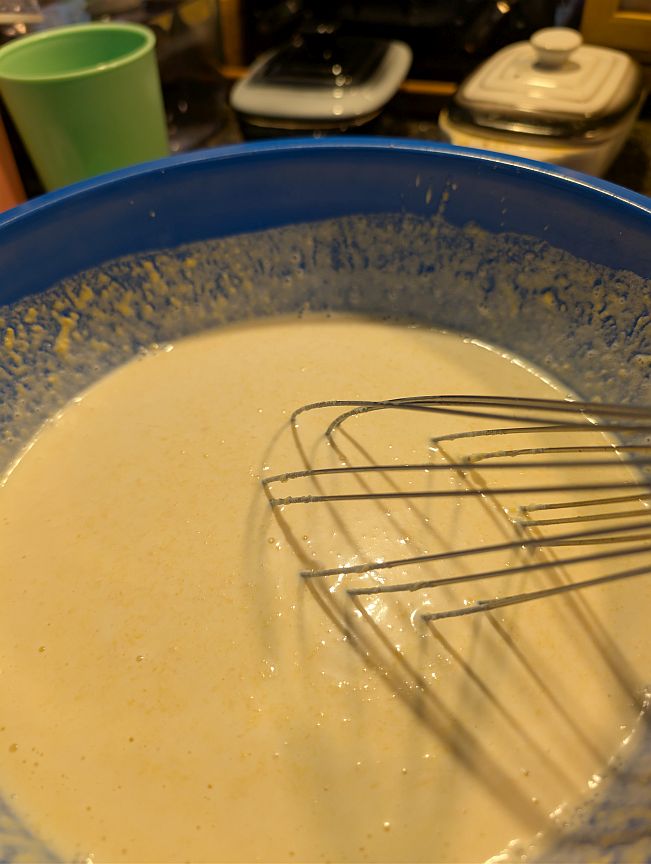
I covered the bowl, placed it in the refrigerator, and discovered the brown sugar still sitting on the counter in plain sight, looking smug.
The first refrigeration attempt was therefore cancelled on account of operator nonsense.
The base came back out. The brown sugar was broken up, whisked in thoroughly, and tasted again. That completed the flavor. I covered the bowl for the second time—now with all the ingredients actually inside it—and chilled it for ninety minutes.
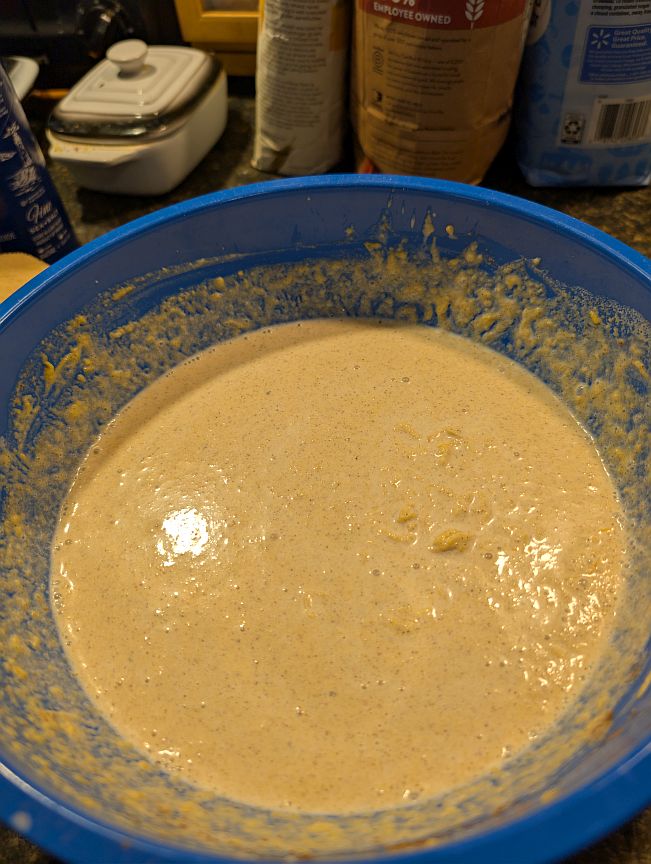
The Part Where It Lied to Us
After chilling, the base had thickened noticeably. I whisked it again and tasted it cold. The spice balance still worked. Nothing needed adjusting. Into the compressor machine it went.
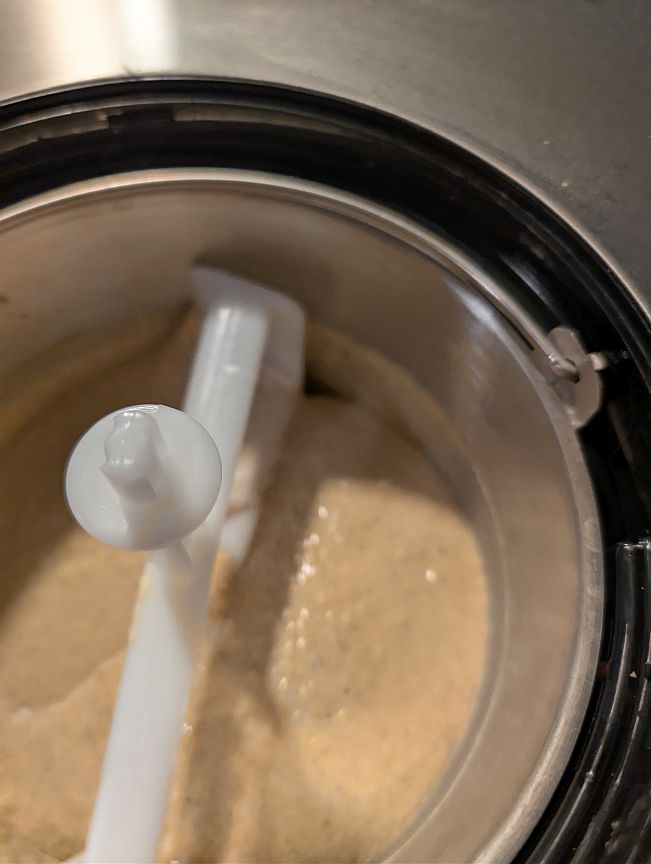
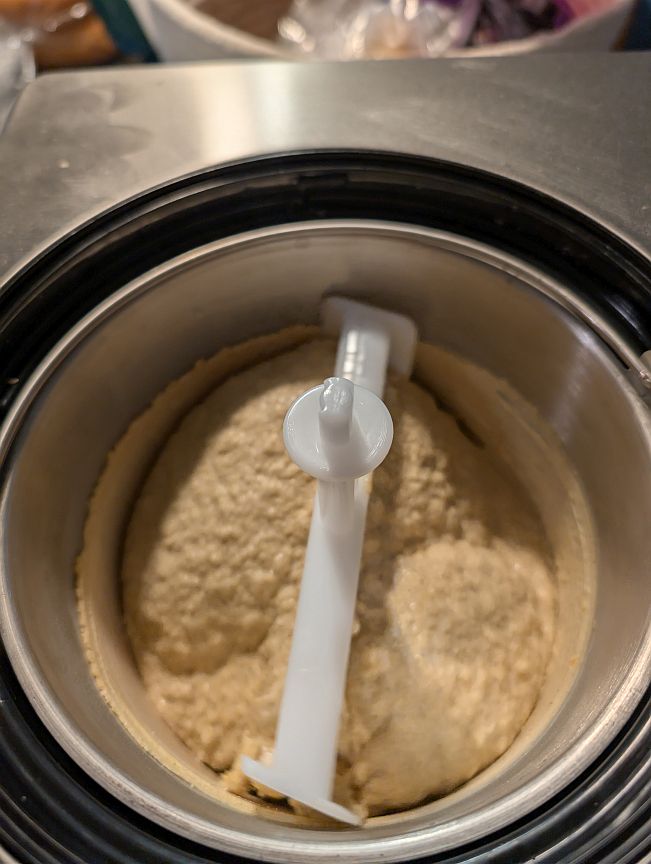
The churn behaved exactly as it should. The mixture moved from fluid to creamy, then began holding paddle tracks. Those tracks became ridges and folds, and the gelato mounded around the paddle like thick soft serve. It looked right. It smelled right. Most treacherously of all, it tasted right.
At this stage, the pumpkin gelato with maple tasted extremely good. Not politely good. Not “interesting for an experiment” good. It received the official tasting judgment of “SSOOOO YYUUUMMMMMM!!”
Maple Ribbons and Dangerous Optimism
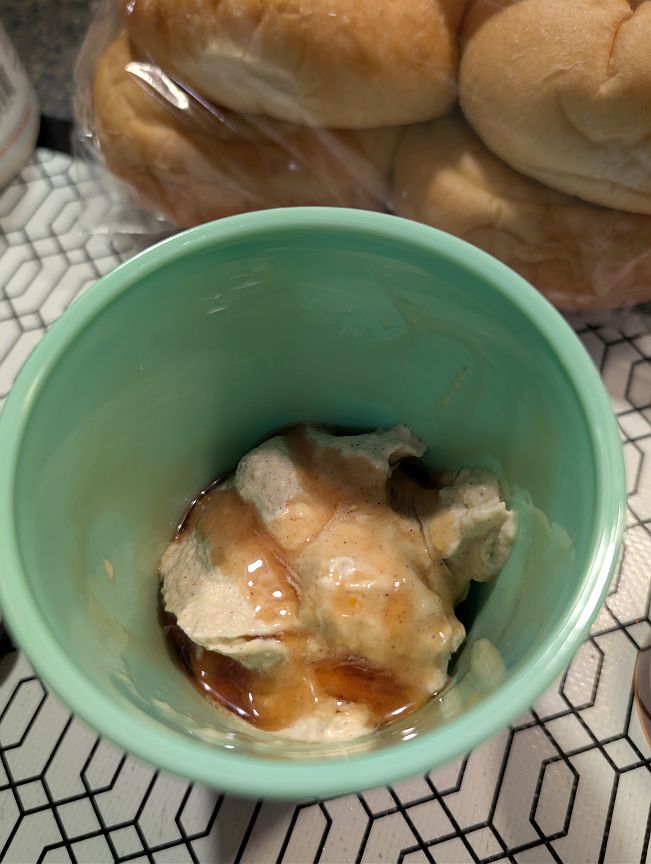
I streaked pure maple syrup around the inside of each cup, added gelato in layers, and tucked tiny drizzles between them. The idea was to preserve distinct amber ribbons and pockets rather than mixing the maple completely into the pumpkin.
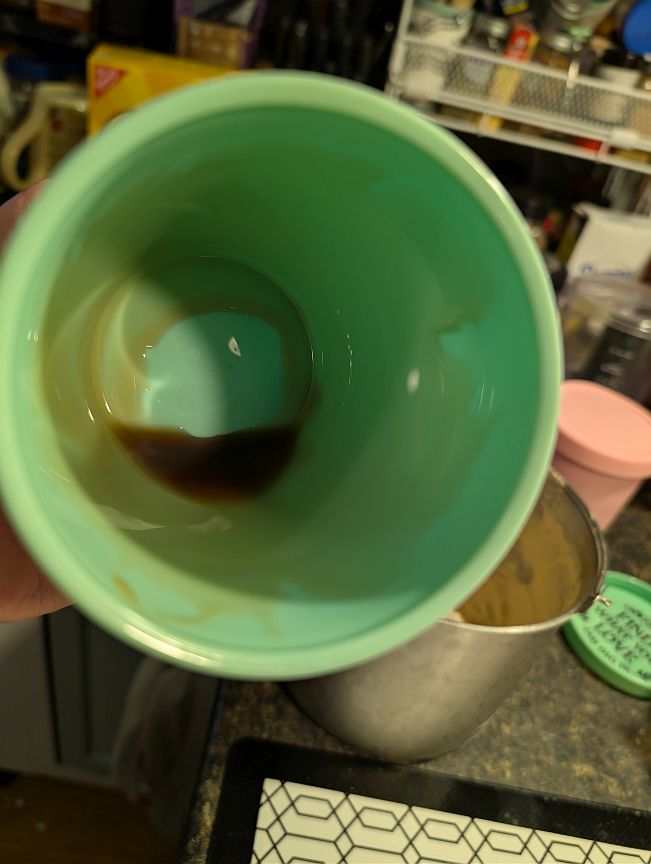
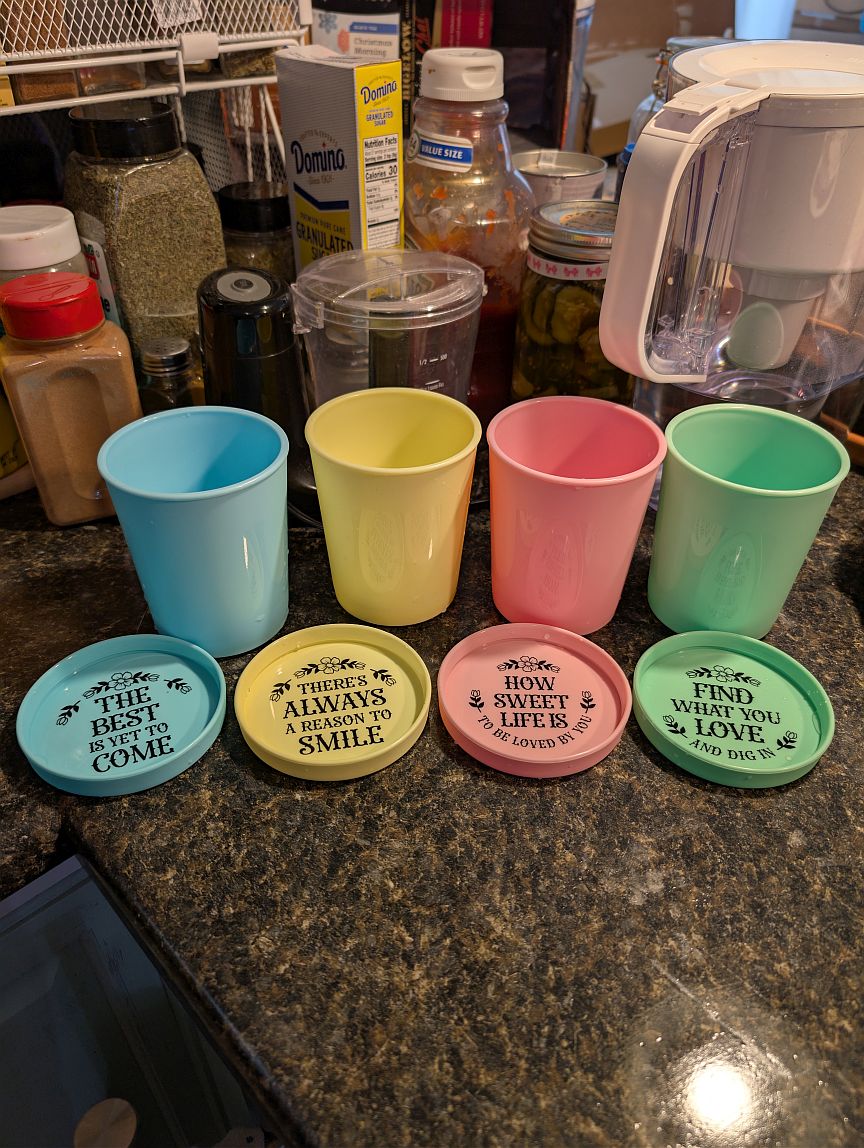
The cups looked ridiculous in the best possible way: small pastel vessels full of creamy autumn, each with its own matching lid. They went into the freezer while I congratulated myself on another successful experiment.
The Freezer Betrayal
Then came the final tasting.
Well… damn!
The soft, creamy gelato had become hard and icy. The pumpkin flavor, which had seemed balanced before freezing, had faded into something weak and vaguely autumn-adjacent. The maple ribbons had not remained luscious ribbons at all; they had frozen into hard, concentrated pockets. Instead of spooning through a luxurious swirl, I was excavating sugary amber deposits from a pale orange block.
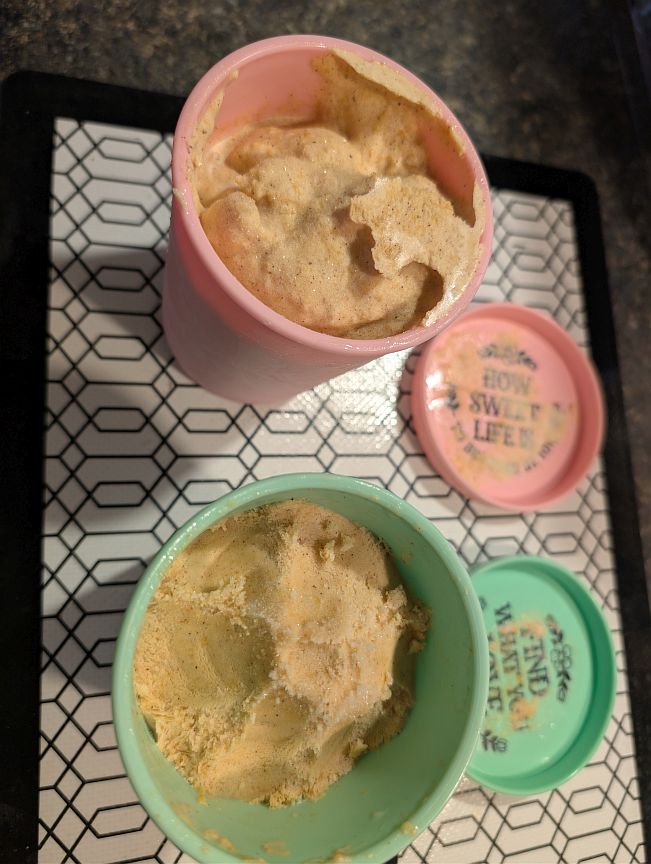
The gingersnap crumble added crunch and flavor, as intended. Unfortunately, a topping cannot perform necromancy. It could decorate the evidence, but it could not turn the evidence back into gelato.
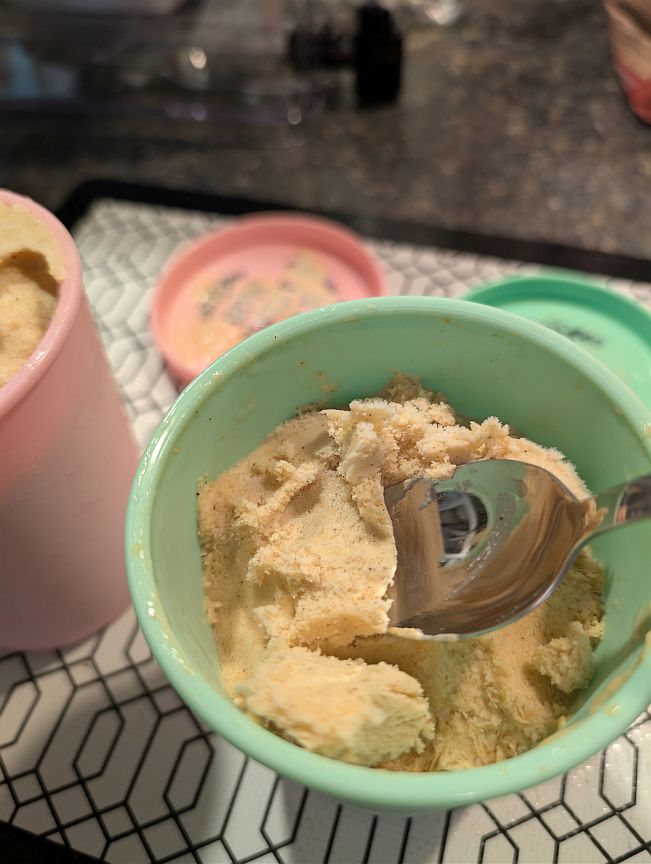
It tasted less like pumpkin ice cream and more like slightly flavored ice wearing a maple hat.
So What Went Wrong?
Fresh pumpkin puree brings a great deal of water to the party. The original mixture had enough body to look convincing while chilled and churned, but not enough structure to stay creamy after a hard freeze. An eggless base can work beautifully—the Nutella Banana Gelato proved that—but banana and Nutella contribute sugar, fat, and solids that naturally soften the final texture. Pumpkin does not arrive with the same useful luggage.
As for the egg?
In hindsight, the egg question had been the important one all along. The yolks would not merely have turned the recipe into “custard.” They would have emulsified the fat and water, thickened the base, and helped prevent the large ice crystals that eventually transformed our gelato into seasonal masonry. We had treated the eggs as a flavor-and-style decision when they were actually doing structural engineering.
The pure maple syrup created a second problem. Distinct pockets sounded wonderful, but once frozen, those concentrated pockets became hard rather than ribbon-like. The visual idea succeeded. The eating experience did not.
The spice level also needed to be stronger than it seemed in the unfrozen base. Cold suppresses flavor. What tasted balanced before the final freeze became too quiet afterward, leaving neither the pumpkin nor the spice with enough authority.
The Rematch
There will be a rematch, because I am not allowing a vegetable to win this argument.
Next time, the pumpkin base will become a proper egg custard. Cooking the puree with the dairy and sugar should concentrate the pumpkin, reduce some of its water, bloom the spices, and give the finished dessert a creamier structure. The spice level will be built for the frozen result rather than the room-temperature promise.
The maple also needs a different strategy. It may be incorporated more fully into the base, reduced into a thicker swirl, or added at serving instead of frozen into solid pockets. The gingersnaps did their job perfectly and may remain exactly where they belong: crushed fresh over the top, innocent of all wrongdoing.
Final Verdict
Was the Great Pumpkin Attempt a failure? As ice cream, yes. Absolutely. Let us not put a lace collar on the corpse and call it misunderstood.
As a kitchen experiment, however, it was useful. We learned that a mixture can taste marvelous straight from the churn and still become a frozen disappointment. We learned that pumpkin needs more structural help than banana. We learned that maple “ribbons” can become maple geology. And we confirmed that gingersnaps are loyal little bastards, even when everything beneath them has gone wrong.
The little cups were pretty. The photographs were excellent. The final product was a block of something that only technically belonged to dessert.
Experiment No. 2 is therefore recorded as a magnificent bust—with useful evidence, a rematch plan, and no intention whatsoever of letting the pumpkin have the last word.
The conspirators
Hands + Sir Chef Chat
Hands performed the making, whisking, tasting, spice negotiations, brown-sugar recovery, photographing, freezing, and final autopsy. Sir Chef Chat helped formulate, track, troubleshoot, and document the proceedings while proving unable to prevent Hands from conducting further research on two quart jugs of maple syrup.